
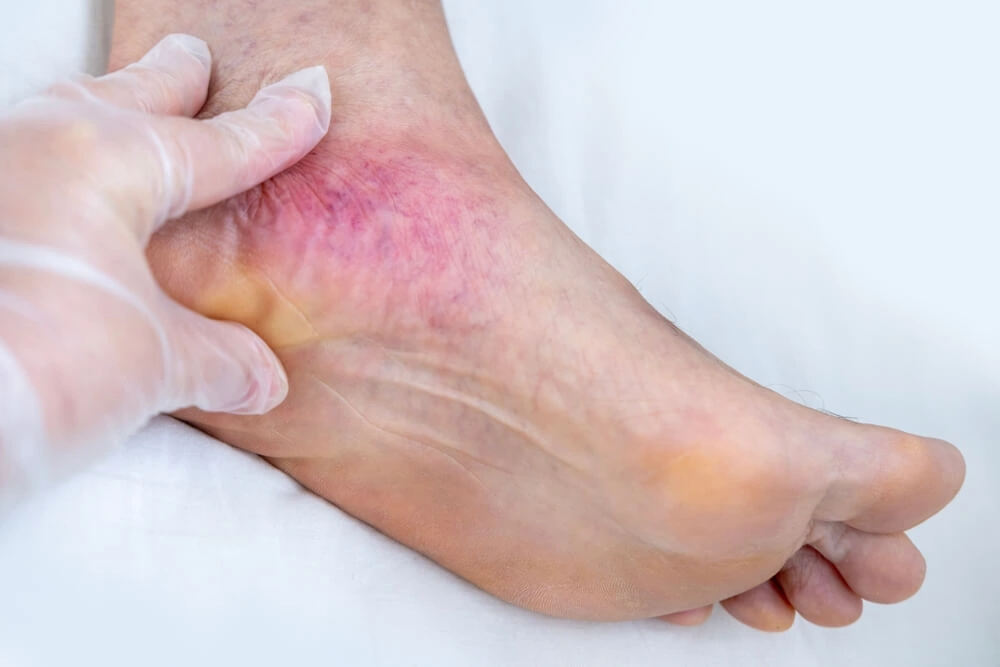
Seeing bruising on the bottom of your foot can stop you in your tracks. You look down and wonder what you did. You may not remember an injury, yet the bruise is there, and it can feel painful. If you also have vein issues, it is normal to worry about blood flow and blood vessels.
A spot like this can come from a simple bruise, but it can also point to other medical causes that may require some sort of medical vein treatment. Some causes involve the skin and soft tissue. Others involve the bone or the structures that support your foot, like the plantar fascia. When circulation is part of the story, you may also notice more swelling, slower healing time, or lingering skin discoloration.
Visible bruising is your body’s signal to pay attention. A small mark can carry a big clue. Understanding the right context makes the difference between a minor irritation and a problem worth visiting your podiatrist or Dr. Kimmel.
A Quick Overview of Bruising on the Bottom of the Foot and Foot Health
A bruise on the bottom of the foot happens when small blood vessels break and leak blood into the surrounding soft tissue. This often appears as dark discoloration on the sole, the heel, the ball of the foot, or near the toes. It may look mild at first, but it can become more painful with walking, standing, or added pressure.
This type of bruising can affect overall foot health more than you expect. Pain and tenderness can change how you place weight on your foot, which may strain the ankle, heel, or even the bone structure over time. Ongoing swelling or inflammation can slow how tissues heal, especially if circulation is not optimal. When mobility feels limited, daily physical activity becomes harder, and that often leads people to compensate in ways that raise the risk of further injury.
Common Causes of Bruising on the Bottom of the Foot
A bruise on the bottom of the foot rarely has just one explanation. Several factors can work together, especially when circulation, structure, and daily use all intersect. These include:
- Direct injury or trauma: Dropping a heavy object, twisting, or impact can injure soft tissue or bone, leading to pain, swelling, and discoloration.
- Overuse and repetitive stress: Frequent walking, running, or prolonged standing strains the plantar fascia and heel pad, increasing inflammation and bruising risk.
- Medications and bleeding disorders: Blood thinners and certain chronic conditions affect clotting, making even mild stress lead to noticeable bruising.
- Infection or skin break: A skin break or early infection can inflame surrounding tissue, leading to redness, swelling, and bruising.
- Vein-related circulation issues: Venous insufficiency and spider veins or varicose veins weaken blood vessels, allowing blood to pool and bruise more easily.
- Stone bruise: Deep tissue bruising caused by repeated pressure or impact that damages small blood vessels, often felt as stepping on a rock.
- Plantar fasciitis: Plantar fasciitis causes inflammation and heel pain. In rare cases of severe strain or partial tearing, surrounding tissues may show discoloration.
- Stress fractures: Tiny fractures in the bone of the foot or toes cause deep pain and swelling, sometimes without a clear injury event.
Outside factors can also play a role. Not wearing proper footwear, lack of arch support, or missing extra arch support increases stress on the heel, ball, and toes. Aging thins the skin and reduces cushioning, making bruising easier as the body absorbs force less effectively.
Common Associated Symptoms
Bruising on the sole rarely appears alone. Your foot often sends other signals at the same time, helping you understand how deep the issue goes and whether circulation, structure, or inflammation is involved.
Paying attention to these symptoms can guide smarter next steps and prevent further injury. They include:
- Pain that worsens with walking or standing
- Localized tenderness under the heel or ball of the foot
- Ongoing swelling that does not ease with rest
- Deep soreness that feels painful even without touch
- Skin discoloration that spreads or darkens
- Warmth or redness around the affected area
- Difficulty bearing weight on the foot
- Stiffness after periods of rest
- Sensitivity near the toes, heel, or ankle
- Changes in how the foot feels during movement
Superficial discoloration usually fades and feels mild when pressed. Deep tenderness feels sharp or heavy and often signals soft tissue, bone, or circulation involvement.
Red flags include severe pain, increasing swelling, spreading bruising across the bottom of the foot, numbness, or symptoms that develop without a clear cause. These signs warrant prompt evaluation by a doctor or healthcare provider, especially when circulation issues or fractures are possible.
When to See a Vein Specialist
If a bruise on the bottom of the foot doesn’t improve with rest, or if foot pain and swelling continue to limit walking, it’s important to seek an evaluation. Ongoing symptoms, increasing tenderness, or trouble bearing weight can signal more than a mild issue.

A doctor or podiatrist can assess how the foot, toes, heel, and ankle are working together and determine whether deeper structures are involved. Delaying care raises the risk of slow healing or long-term discomfort, so early diagnosis is critical to reduce pain.
When bruising is linked to circulation, further evaluation from a vein doctor may be necessary. Poor venous flow can affect how blood vessels handle pressure and how quickly pooled blood clears after minor stress.
A vein-focused exam looks for valve problems, fragile small blood vessels, or signs of venous insufficiency that slow healing. If venous insufficiency is identified, varicose vein treatment options such as sclerotherapy or ambulatory phlebectomy may be recommended to improve circulation and support long-term tissue health.
When Foot Bruising Needs Expert Vein Insight, Visit Kimmel Institute
Bruising on the bottom of your foot can feel confusing and unsettling, especially when it lingers or affects how you move. What starts as a small bruise can impact comfort, mobility, and confidence in daily life. When circulation, blood vessels, or underlying vein issues are involved, proper evaluation makes a real difference in how well your foot can truly heal.
At the Kimmel Institute, we understand how closely foot symptoms and vein health are connected. We look beyond surface discomfort to identify circulation issues that may be slowing recovery or causing repeated bruising. With advanced diagnostic tools, over 30 years of experience, and individualized care, we focus on clear answers and effective solutions, not guesswork.
If foot bruising, pain, or swelling is affecting your quality of life, now is the right time to act. Schedule a consultation at the Kimmel Institute. Let our experienced team help you understand what your symptoms mean and guide you toward lasting relief with expert, compassionate care.