
If you’re dealing with heavy, tired legs or visible veins, it’s natural to look for answers beyond procedures alone. Many patients ask about supplements and natural options because they want relief without intervention. That curiosity makes sense, but it also requires careful, honest guidance rooted in medical evidence.
While no supplement can replace expert evaluation or proven vein treatments, emerging research suggests that certain compounds may support symptom management invenous insufficiency. Among these, bioflavonoids have drawn attention in the vein care community for their potential to support vein function when used appropriately. Realizing where they fit—and where they do not—helps you make informed decisions about your vein health.
Understanding Circulation
Understanding your blood circulation helps you make sense of your symptoms. Your circulatory system moves blood through your blood vessels – arteries and veins – so your legs, brain, and vital organs get oxygen and nutrients. When blood flow functions properly, veins are better able to return blood to the heart, helping reduce leg heaviness, swelling, and pressure associated with venous conditions.
Problems start when blood flow slows or pools. This can happen from high blood pressure, aging valves, a sedentary lifestyle, or an underlying issue like coronary artery or cardiovascular disease. Poor blood flow affects how healthy tissues receive oxygen, how well veins handle pressure, and how your legs feel after long periods of sitting or standing.
When this imbalance persists, its effects can spread beyond your legs and affect your overall health and cognitive function. Here are common issues linked to poor circulation and how they show up:
- Leg swelling
- Heaviness and fatigue
- Numbness or tinging
- Muscle cramps
- Spider veins
- Varicose veins
- Chronic venous disease
- Slow healing
- Skin changes
- Nighttime restlessness related to vascular issues
Understandably, these symptoms can be frustrating and, at times, even alarming. Many people look to natural solutions that may support healthy circulation and heart health. Bioflavonoids are one of those potential solutions.
An Introduction to Bioflavonoids for Vein Health
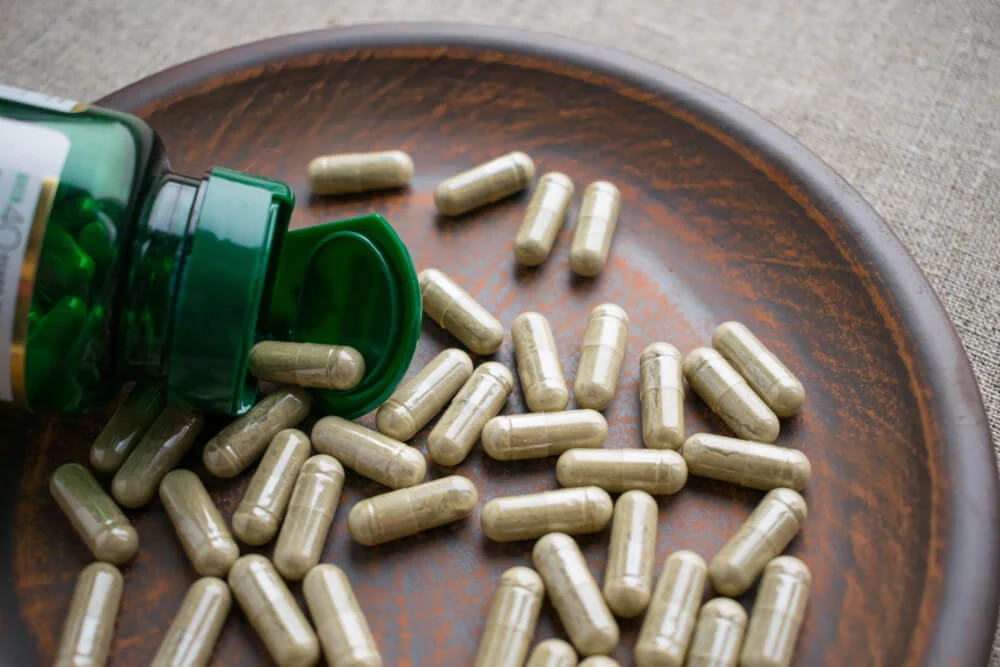
Bioflavonoids are naturally occurring compounds found in citrus fruits and other plants. They are often paired with vitamin C and are part of a larger group of natural substances that are sometimes used in dietary supplements or structured vein formulas. Unlike general herbal remedies, bioflavonoids have been studied specifically for their effects on blood vessels and vascular function.
From a scientific standpoint, bioflavonoids are known to interact with endothelial cells, which line the inside of blood vessels. These cells play a key role in regulating vessel flexibility, inflammation, and blood circulation.
Researchers study bioflavonoids not as suitable pharmaceutical therapies for treating chronic venous insufficiency, but as supportive treatment options alongside appropriate medical care. That means Dr. Kimmel may use them thoughtfully and selectively after proper evaluation, together with scientifically proven treatment methods such as sclerotherapy, EndoVenous Laser Ablation (EVLA) for appropriate leg veins, or ambulatory microphlebectomy.
How Bioflavonoids Can Contribute to Vein Health
Research into bioflavonoids focuses on how they interact with vein walls, inflammation, and microcirculation rather than acting as quick fixes. Some evidence suggests they help reduce symptoms when used as part of a broader care plan. Examining the research actually shows you how to set realistic expectations and understand why Dr. Kimmel’s medical guidance is a critical factor in keeping your veins healthy.
Supporting Venous Tone and Vessel Function
One 2021 study in Vascular Pharmacology shows that specific bioflavonoids help support venous tone, meaning the veins’ ability to maintain structure under pressure. In laboratory and animal studies, bioflavonoid compounds reduced excessive stretching caused by biomechanical stretch, which leads to venous wall stress – a key contributor to venous disorders like varicose veins and venous insufficiency. This helps explain why they can be therapeutic for managing symptoms rather than reversing vascular diseases.
Reducing Inflammation and Endothelial Stress
Inflammation plays a central role in chronic venous insufficiency. The 2021 Vascular Pharmacology clinical study used in vitro, ex vivo, and in vivo models to show that bioflavonoids have anti-inflammatory effects that help reduce inflammation within vein walls.
These methods simply mean that subjects were studied in a lab, in tissue removed from the subject, or within the subject. This comprehensive approach shows that bioflavonoids can support vascular integrity and may slow progression into later disease stages.
Improving Microcirculation and Lymphatic Function
Rather than dramatically increasing blood flow, bioflavonoids appear to improve the flow of blood and other fluids through small vessels. According to a randomized, double-blind, controlled study conducted in 2025, patients showed improvements in lymphatic drainage, reduced leg swelling, and steadier blood circulation, even when measured flow changes were modest. This distinction matters and aligns with how vein specialists understand symptom relief.
Diosmin and MPFF: The Most Studied Example
Among bioflavonoids, diosmin—often used as micronized purified flavonoid fraction (MPFF)—has the strongest clinical backing. Large reviews and real-world trials show it helps reduce symptoms like heaviness and fatigue in venous insufficiency across multiple disease stages, especially when used alongside standard care.
Some vein formula products also include horse chestnut extract or butcher’s broom. These natural compounds have shown supportive effects on blood vessel health, including mild reductions in swelling and improved comfort. Their role remains secondary, and dosing matters to avoid safety concerns.
Again, it’s important to note that the guidelines recognize MPFF as an adjunct, not a standalone solution. Dr. Kimmel may consider diosmin as a supportive option when symptoms persist despite appropriate medical treatment, always within an evidence-based care plan.
Take the Next Step Toward Healthier Veins With the Kimmel Institute
Supplements alone do not correct venous disease, and they should never replace proper diagnosis or proven treatment. But in select cases, they can offer additional symptom support after comprehensive care has been addressed.
At the Kimmel Institute, we focus first on understanding the cause of your symptoms through expert evaluation and ultrasound diagnostics. Dr. Kimmel may discuss supportive options such as bioflavonoids when appropriate, always within the context of evidence-based medicine and individualized care.
You have access to a board-certified cardiovascular surgeon with over 30 years of experience in diagnosing and treating circulation issues. You also receive the kind of individualized support that helps you make sense of your symptoms, understand your options, and choose care backed by real expertise.
If you’re experiencing symptoms of venous insufficiency or varicose veins, we’re here to help. Schedule a consultation with us today to learn what your veins truly need, and why experience makes the difference.