
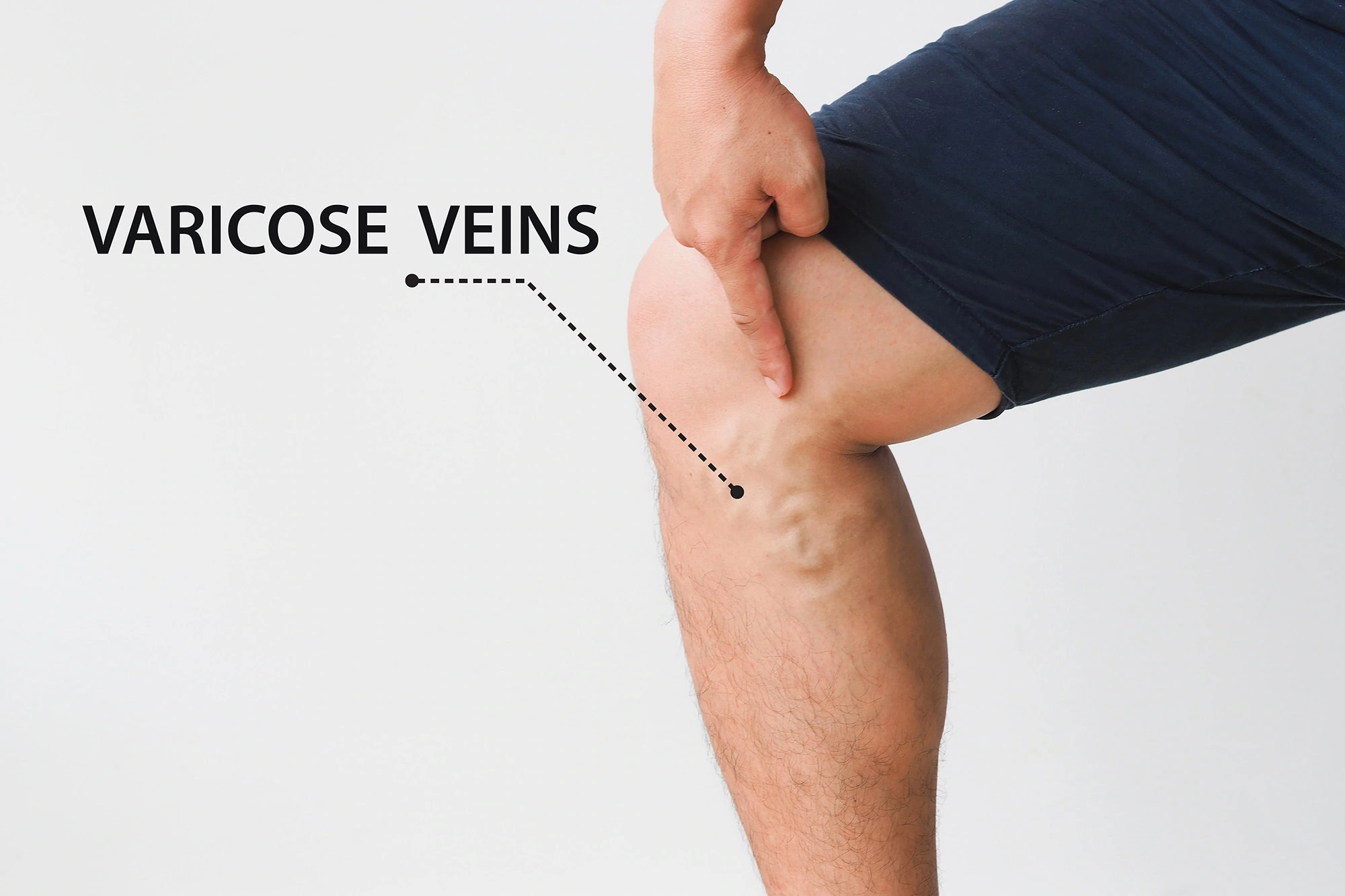
Legs that ache after a full day of work or visible veins that affect your confidence are not just cosmetic concerns that should be ignored. Varicose veins can drastically impact your quality of life and ability to perform everyday activities. For many people, the development of varicose veins does not happen overnight. They build slowly through genetics, lifestyle, work habits, pregnancy, aging, and other risk factors.
The good news is that early awareness gives you more control. Reaching out to a vein specialist when you recognize worsening symptoms can help support vein health, manage varicose vein symptoms, and keep veins from getting worse. Stronger vein health starts with small choices, early answers, and care that sees the full picture. It’s crucial to understand how varicose veins develop, how they affect your body, and what steps you can take toward healthier veins.
What Causes Varicose Veins
Varicose veins develop when the small valves inside your veins stop functioning properly. When a valve weakens or becomes damaged, blood can flow backward and pool inside the vein, rather than moving throughout the body. This trapped blood creates pressure that stretches the vein wall, producing a raised, twisted appearance.
Varicose veins are most commonly caused by factors like genetics, age, pregnancy, prolonged sitting or standing, body weight, and gender. The appearance of these veins can impact your confidence in everyday interactions. Varicose veins can also produce physical symptoms that affect your comfort and force you to slow down.
Signs & Symptoms
For many, symptoms begin subtly and may even go unnoticed. For others, they can develop and worsen rapidly.
Common symptoms of varicose veins include:
- Swollen legs
- Rope-like veins bulging beneath the skin’s surface
- Blue or purple veins
- Leg heaviness and fatigue
- Cramping, aching, or throbbing
- Skin discoloration or dryness
- Burning or itching sensation
While varicose veins are often seen as a cosmetic concern, they can signal underlying vein disease or insufficiency. If you notice these symptoms, contact a vein specialist to navigate treatment options.
Steps to Reducing Varicose Veins
Varicose veins cannot always be prevented, but the right daily habits can make a meaningful difference in slowing their progression and reducing your risk of developing them in the future. If you are experiencing early symptoms, these steps can help support circulation, ease discomfort, and slow the progression of varicose veins.
1. Stay Active
One of the most effective ways to prevent varicose veins is to keep your legs moving consistently throughout the day. When movement slows down, blood flow can weaken and lead to blood pooling inside the leg veins. That extra pressure can stretch the vein walls, damage the valves inside the veins, and increase the chance of developing varicose veins. Healthy movement helps your leg muscles and calf muscles contract, which naturally helps push blood back toward the heart.
Simple daily movement habits can make a major difference in protecting your veins and supporting healthier circulation. Some include taking short walks throughout the day, avoiding prolonged inactivity, and stretching your legs regularly. It is important to build consistent health habits, such as choosing low-impact exercise.
2. Maintain a Healthy Weight
Extra body weight places additional pressure on the veins in your legs, especially the valves responsible for keeping blood moving in the right direction. Over time, carrying excess pounds can weaken the vein structure, causing varicose veins to develop more easily.
Maintaining a healthy weight supports healthier blood circulation, reduces stress on blood vessels, and may help prevent both smaller and larger varicose veins from forming. It can also help reduce discomfort in people already experiencing early varicose vein symptoms.
Healthy weight management usually works best through sustainable routines, not strict dieting. A balanced, healthy diet rich in lean protein, vegetables, fruits, and high-fiber foods can help prevent constipation, which also reduces pressure in the abdominal and pelvic veins. A low salt diet may decrease fluid retention and swelling in the legs. Staying hydrated and limiting heavily processed foods can further support vein health. You can also choose a simple exercise routine you can maintain long-term.
3. Avoid Sitting or Standing in One Position for Too Long
Extended periods of inactivity can affect your circulation more than people realize. When you remain in the same position for too long, the muscles in your legs are unable to help move blood upward through the veins. This can slow blood circulation, increase blood pooling, and place extra strain on the vein valves.
Over time, this strain may contribute to developing varicose veins, especially in people already at higher risk due to genetics, pregnancy, aging, or certain health conditions. Jobs that require sitting or standing for most of the day often make symptoms worse because the veins are constantly working against gravity without enough muscle support.
Small movement breaks throughout the day can make a meaningful difference in how your legs feel and function. If you sit for work, stand up and walk every 30 to 60 minutes to encourage blood flow and prevent stiffness. If your job requires standing, shift your weight often and take short walking breaks when possible. Stretching the calves and ankles during the day can also improve circulation and support healthier blood flow.
It’s also best to avoid restrictive habits that may worsen circulation, including very tight clothing around the waist or legs and frequent use of very high heels, which can limit normal calf muscle movement. Simple daily adjustments often help prevent complications and reduce the chance of varicose veins from getting progressively worse over time.
4. Wear Compression Stockings to Support Healthy Circulation
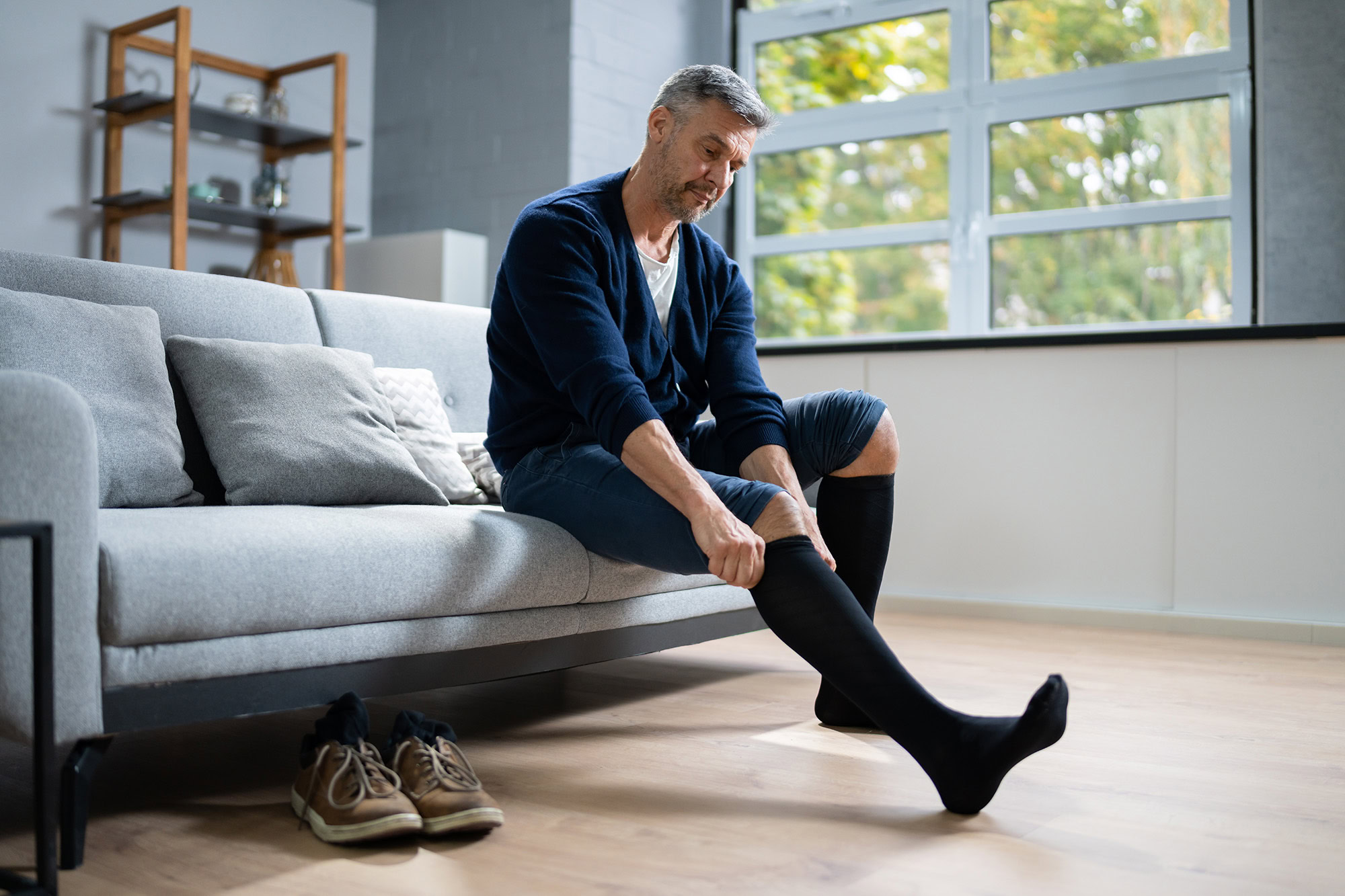
For people with early vein issues or a strong family history, compression stockings can be a helpful tool to prevent varicose veins and ease daily discomfort. These specialized stockings apply gentle pressure to the legs to help keep blood moving upward instead of collecting in the lower legs. This added support may help improve blood flow, reduce swelling, and lower stress on weakened vein valves. Compression can also help relieve heaviness, aching, and fatigue caused by poor circulation.
The key is choosing the right type and wearing them correctly. Many people benefit from putting them on first thing in the morning before swelling starts. Store-bought options are enough for some patients, while others may need higher compression levels based on their symptoms and vein health. A vein specialist may recommend medical-grade stockings after evaluating your circulation and discussing your daily routine.
5. Pay Attention to Early Varicose Vein Symptoms Before They Progress
Many people ignore early warning signs because they think vein problems are only cosmetic. In reality, symptoms often begin long before severe varicose veins appear. Early evaluation helps physicians diagnose varicose veins before symptoms become more difficult to control or before more invasive care becomes necessary. If symptoms continue despite exercise, elevation, or lifestyle changes, it may be time to schedule an evaluation with an experienced healthcare provider.
A simple ultrasound is often used as a painless test to examine circulation and identify the affected vein causing symptoms. Early care may include conservative treatments, but some patients benefit from minimally invasive procedures to treat varicose veins before symptoms worsen. Depending on the condition of the veins, a vein specialist may recommend:
- Sclerotherapy: Injecting a specialized solution directly into the damaged veins, causing the vein walls to close and the veins to gradually fade over time.
- Endovenous Laser Ablation (EVLA): Inserting a small laser fiber into the vein, delivering targeted laser energy to seal the damaged vein and redirect blood to healthier veins.
- Ultrasound-guided chemical ablation (USG): Using ultrasound imaging to guide a concentrated medical solution into deeper abnormal veins, closing the vein and improving circulation.
- Ambulatory phlebectomy (microphlebectomy): Creating tiny incisions in the skin and gently removing bulging varicose veins with specialized surgical tools.
These modern forms of varicose vein treatment avoid traditional vein surgery or older procedures like vein stripping.
You Can Protect Your Vein Health Before Symptoms Get Worse
Even small vein symptoms can affect how your legs feel every day. What starts as mild heaviness, swelling, or visible veins may slowly progress if circulation problems continue underneath the surface. Paying attention early gives you a better chance to protect your comfort, mobility, confidence, and long-term vein health before more serious complications develop.
At The Kimmel Institute, patients receive individualized care from Dr. Richard Kimmel, a board-certified cardiovascular surgeon with decades of experience treating complex vascular conditions. From advanced imaging and early diagnosis to minimally invasive procedures using modern technologies like laser energy and ultrasound-guided treatments, every treatment plan is designed around your specific needs, symptoms, and goals. As a nationally recognized training center, Kimmel Institute combines medical excellence with the personalized, boutique-style care patients deserve.
If you are noticing early varicose vein symptoms, visible spider veins, leg discomfort, or changes in circulation, now is the time to take the next step. Contact the Kimmel Institute today to schedule your vein evaluation and learn which treatments may help you feel more comfortable, confident, and supported moving forward.