
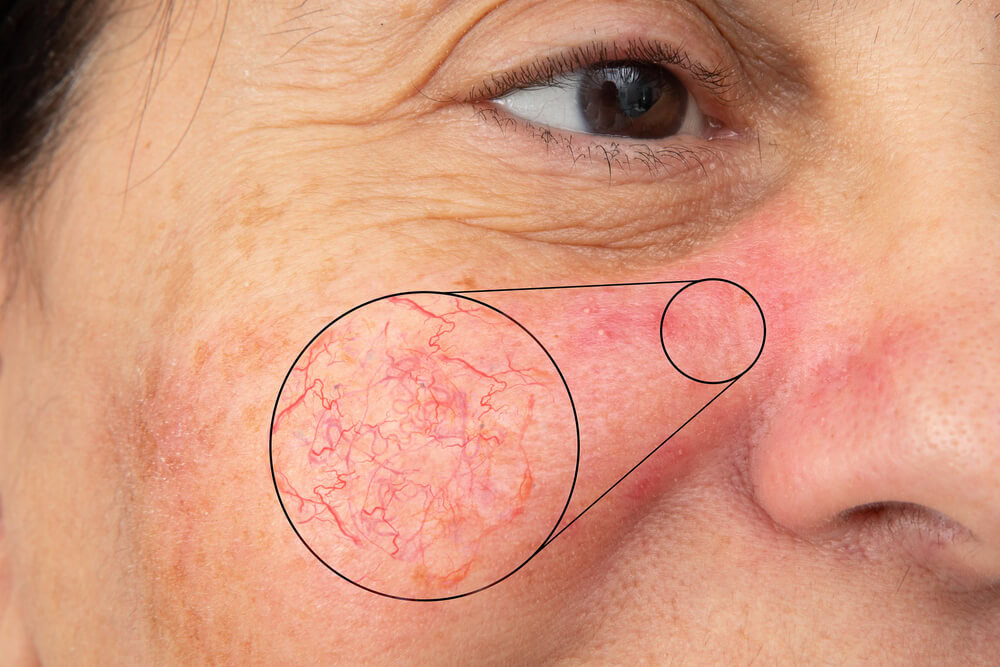
You may notice spider veins slowly appearing on your face, then suddenly they seem more visible than ever. While often harmless, they can affect your confidence and raise questions about what’s happening beneath your skin. Many people are surprised to learn that facial spider veins can develop even when you feel otherwise healthy.
Understanding why spider veins appear on your face is the first step toward finding the right treatment. In many cases, the right approach can safely reduce their appearance and help you feel more comfortable in your own skin.
What Are Facial Spider Veins?
Facial spider veins are small, thin veins on the face that become visible just beneath the skin. These spider veins often appear as red, blue, or purple lines that resemble webs or branching patterns. You’ll most commonly notice them on the cheeks, around the nose, and across areas where the skin is more delicate, such as the chin.
These visible spider veins form when tiny blood vessels close to the surface expand and lose their ability to contract. Over time, these small blood vessels become visible, creating what many describe as broken blood vessels or broken capillaries.
While they are similar to varicose veins, they are much smaller and occur closer to the skin’s surface in the face rather than deeper in the legs. Although often considered a cosmetic concern, facial veins can sometimes signal changes in blood flow or underlying vascular change, especially when they continue to develop or become more noticeable over time.
8 Causes of Facial Spider Veins
It can feel frustrating when spider veins appear without warning. These changes often happen gradually, making it easy to overlook what’s contributing to the shift in your appearance.
The reality is that several internal and external factors can weaken blood vessels, leading to facial spider veins. Understanding these factors can help guide the right treatment approach.
1. Sun Exposure and Sun Damage
Frequent sun exposure, especially direct sun exposure, can weaken the structure of your skin and damage blood vessels over time. UV rays break down collagen, which supports small blood vessels beneath the surface. As this support fades, broken blood vessels become more noticeable, leading to visible facial spider veins on the cheeks and nose. Ongoing sun damage increases the risk of developing spider veins and can make existing ones more visible.
2. Aging and Loss of Skin Support
Aging naturally reduces the elasticity of your skin and the strength of your blood vessels. As your body produces less collagen, the veins in your face lose structural support. Dilated blood vessels are more likely to stay expanded, creating visible veins and fine red or blue lines. Over time, aging also contributes to thinner skin, which makes these facial veins more visible.
3. Hormonal Changes
Hormonal changes can directly impact how your blood vessels function. Fluctuations during pregnancy, menopause, or when using certain medications can cause blood vessels to dilate more easily. This increased pressure within facial blood vessels can increase the likelihood of experiencing spider veins or skin redness, especially if other risk factors are present.
4. Genetics and Family History
Your genetics play a significant role in the development of spider veins. If family members have experienced facial spider veins or other vein disease, you may have a higher likelihood of developing them as well. Genetic factors can affect the strength of your blood vessels, how your body manages blood flow, and how easily broken blood vessels form over time.
5. Rosacea and Skin Conditions
Certain skin conditions, such as rosacea, are closely linked to facial spider veins. Rosacea often causes persistent redness, skin flushing, and inflammation, which can strain blood vessels and lead to broken blood vessels. Repeated flare-ups can make vessels on the face more prominent. Other skin conditions and the use of topical steroids may also thin the skin, increasing the visibility of facial veins.
6. Increased Pressure on Facial Veins
Anything that increases pressure in the blood vessels can contribute to spider veins. This includes:
- Frequent coughing
- Sneezing
- Vomiting
- Prolonged bending
Over time, repeated strain can cause small capillaries to stretch and remain expanded. This leads to visible spider veins, especially in delicate areas like the nose and cheeks.
7. Lifestyle Factors and Daily Habits
Certain lifestyle habits can contribute to developing visible veins. Alcohol consumption can cause temporary dilation of blood vessels, leading to repeated stress on the veins on your face. Spending long periods in heat, engaging in activities that increase blood pressure, or circulatory changes can all impact how veins function. Over time, these habits may increase your risk of developing spider veins and affect the overall appearance of your skin.
8. Underlying Medical Conditions
In some cases, vascular conditions or circulatory concerns may contribute to changes in blood vessels. While this is more commonly associated with leg veins, similar blood flow issues can affect blood vessels throughout the body. Identifying these underlying causes is important when determining the most appropriate treatment options for long-term results.
When to Seek Treatment for Spider Veins
While facial spider veins may only be a cosmetic concern, they can point to an underlying issue. If you notice veins on your face becoming more visible, spreading, or changing in color, it may be time to consider treatment.
You should also seek care if you experience persistent skin redness, frequent flare-ups, or signs of irritation linked to broken blood vessels. In some cases, experiencing spider veins alongside other symptoms may point to underlying vascular concerns or changes in blood flow that require attention.
The key is not waiting until the appearance worsens or becomes harder to manage. Early evaluation can help identify underlying causes, reduce progression, and support healthier skin and blood vessels long term. Knowing when to act allows you to take control before developing spider veins becomes a more complex concern. A thorough evaluation can help determine the most appropriate treatment approach.
Facial Spider Vein Treatment Options
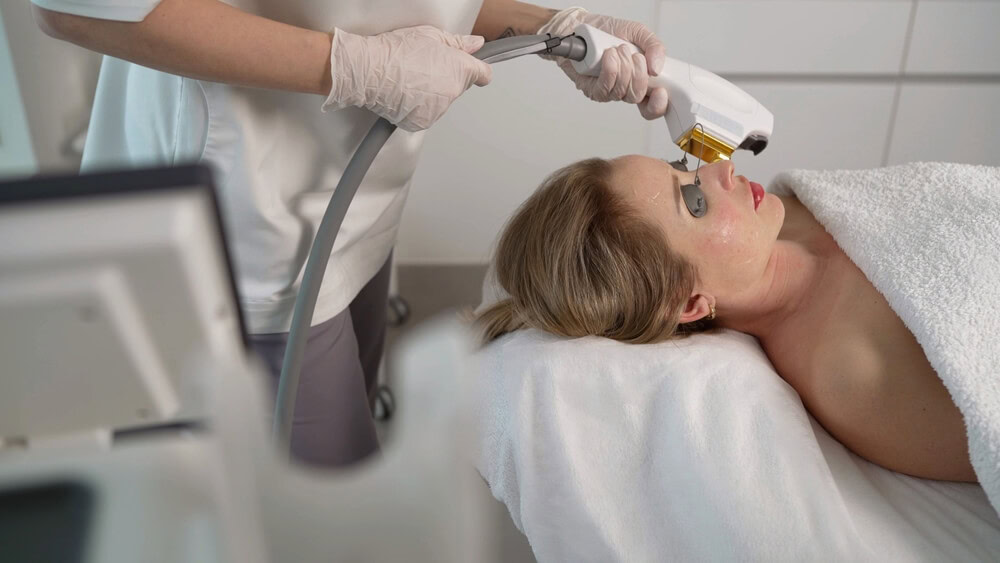
If you’re looking to reduce the appearance of spider veins on your face, the right approach depends on the size, depth, and cause of your spider veins. Modern advancements make it possible to safely treat spider veins with minimal discomfort and downtime.
The goal is to target the affected blood vessels while protecting the surrounding skin, improving both the health and appearance of your skin. To do so, common treatments include:
- Laser therapy: Laser therapy uses focused light energy to heat and close targeted blood vessels, causing them to fade over time. This precise approach treats facial spider veins by focusing on the vein itself rather than the surrounding skin, making it ideal for delicate areas like the cheeks and nose.
- Injection sclerotherapy: Sclerotherapy involves injecting a solution directly into the affected veins, causing them to close and gradually fade. While primarily used for leg veins, it may be considered in specific facial situations, especially when combined with other treatment options.
- Combination treatments: In some cases, combining laser treatment with sclerotherapy may provide improved results. This approach allows for more complete coverage of different types of spider veins so you can more effectively rid your skin of both fine and slightly larger visible spider veins.
Clear Your Skin and Restore Your Confidence at Kimmel Institute
Noticing spider veins on your face can feel frustrating, especially when they affect how you see yourself day to day. While spider veins are common, they don’t have to be something you simply live with. With the right understanding of the underlying causes, along with advanced treatment options, you can safely reduce the appearance of spider patterns and improve your skin’s overall health.
Choosing the right provider makes a meaningful difference in your results. At the Kimmel Institute, a board-certified cardiovascular surgeon with over 30 years of experience treating veins and complex blood vessels leads your treatment. You receive a personalized approach that considers your unique skin needs, your concerns, and the most effective way to treat your facial spider veins with precision and care.
If you’re ready to feel more confident and relieve your skin of visible spider veins, now is the time to take the next step. Schedule your consultation today and discover how expert care can help you achieve clearer skin and healthier veins.