

If your legs and thighs have grown steadily larger despite eating well and staying active, you’re not imagining it, and you’re not alone.
What Is Lipedema?
Lipedema is a chronic condition that causes an abnormal buildup of fatty tissue, most commonly in the thighs, legs, buttocks, trunk and sometimes the arms. Research suggests it affects as many as 1 in 9 women, making it far more common than most people realize. Although it primarily affects women, it can be overlooked or mistaken for obesity, lymphedema or other conditions. Greater awareness of lipedema can help people recognize its symptoms and seek appropriate medical care.
How Lipedema Affects the Body
One of the most noticeable characteristics of lipedema is the disproportionate distribution of fat. The legs may appear significantly larger than the upper body, while the feet typically remain unaffected. In some people, the arms can also be involved, but the hands are spared. Lipedema usually occurs symmetrically, meaning both sides of the body are affected in a similar way.
Common Symptoms of Lipedema
In addition to changes in body shape, lipedema may cause physical discomfort. People can experience tenderness, aching, heaviness, swelling or an increased tendency to bruise. The affected tissue may feel different from ordinary body fat, sometimes with small nodules or a soft, uneven texture. Symptoms can vary considerably from person to person. A person’s stage does not necessarily reflect how severe their symptoms are.
What Causes Lipedema?
The exact cause of lipedema is not yet fully understood. Researchers believe that genetics and hormones may play important roles. The condition often appears or becomes more noticeable during periods of hormonal change, such as puberty, pregnancy or menopause. Most importantly, lipedema is not simply the result of overeating or a lack of exercise, and traditional weight-loss efforts may not reduce the affected areas in the same way they reduce ordinary body fat.
How Lipedema Is Diagnosed
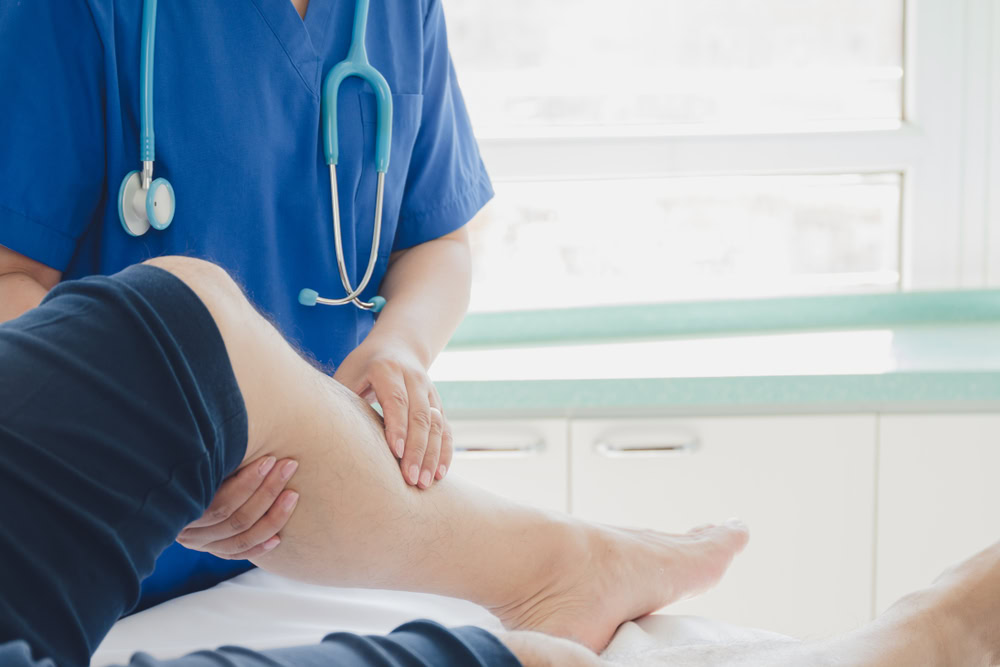
Because lipedema can resemble other conditions, diagnosis usually involves a medical history and physical examination. There is no single blood test or imaging study that definitively confirms lipedema. However, ultrasound imaging often reveals findings that are common in people with lipedema. A healthcare professional familiar with the condition can evaluate symptoms, fat distribution, swelling, and other characteristics to help distinguish it from similar disorders. Patient registry data shows that people often wait an average of 17 years after first noticing symptoms before receiving an accurate diagnosis, which is why an early evaluation with a knowledgeable provider matters.
Treatment Options for Lipedema
While there is no universal cure for lipedema, effective treatment options exist to manage symptoms and improve quality of life. Conservative approaches may include compression garments, physical activity, anti-inflammatory strategies, skin care and support for managing discomfort and swelling. Many patients also benefit from working with a team of healthcare professionals, which may include physical therapists, dietitians and medical specialists experienced in lipedema care.
For individuals whose symptoms remain severe despite conservative treatment, specialized procedures such as lipedema-specific liposuction techniques may be considered. These procedures require careful evaluation by an appropriately trained medical professional, and they are not suitable for everyone.
Living With Lipedema
Living with lipedema can be challenging, particularly when symptoms are misunderstood or attributed solely to body weight. Education, compassionate medical care and realistic treatment goals can make a meaningful difference.
Compassionate Lipedema Care at the Kimmel Institute
At the Kimmel Institute, Dr. Kimmel brings nearly 30 years of experience as a board-certified cardiovascular surgeon to the diagnosis and management of lipedema. He leads a team of physical therapists, dietitians and specialists, each contributing focused expertise to a personalized plan of care. Experience is the difference, and it shows in the depth of attention every patient receives.
When to Talk to a Doctor
If you suspect that you or someone you know may have lipedema, consider discussing the symptoms with a qualified healthcare professional like those at the Kimmel Institute. Early recognition can help identify appropriate ways to manage symptoms and support long-term well-being. We offer free screenings and transparent conversations about cost, so you can take the next step at your own pace. Call us today for a consultation.