

Venous Disease and Lipedema: An Important Overlap
Venous disease is an important consideration in patients with lipedema. Lipedema is a chronic disorder characterized by abnormal and disproportionate accumulation of adipose tissue, most commonly in the legs. Although lipedema is primarily associated with adipose and lymphatic dysfunction, venous abnormalities may coexist too. When they do, they can meaningfully affect symptoms, disease progression, and quality of life. Some studies have estimated that between 25-50% of patients with lipedema may also have venous insufficiency.
Overlapping Symptoms Can Complicate Diagnosis
Patients with lipedema may experience chronic leg swelling, heaviness, aching, tenderness, and fatigue. These symptoms can overlap with those of chronic venous insufficiency, making clinical assessment challenging.
How Venous Insufficiency Develops
Venous disease occurs when the valves within the veins do not function effectively, allowing blood to pool in the lower extremities. This can increase venous pressure and contribute to edema, skin changes, and symptoms that negatively affect a patient’s quality of life.
Why the Relationship Is Complex
The relationship between lipedema and venous disease is complex. Increased limb volume, reduced mobility and mechanical pressure on blood vessels may adversely affect venous circulation. In addition, patients with advanced lipedema may develop secondary lymphedema, further increasing limb swelling and complicating the clinical picture. Identifying coexisting venous insufficiency is therefore important when symptoms are more severe than the degree of lipedema would suggest, or when swelling changes during the day or improves with elevation.
Comprehensive Venous and Lipedema Evaluations at the Kimmel Institute
Dr. Kimmel is a board-certified cardiovascular surgeon who has been treating patients with these symptoms for nearly 30 years. His experience and expertise make the Kimmel Institute a leading practice for venous disease and lipedema evaluations in South Florida.
Your Evaluation and Treatment Options
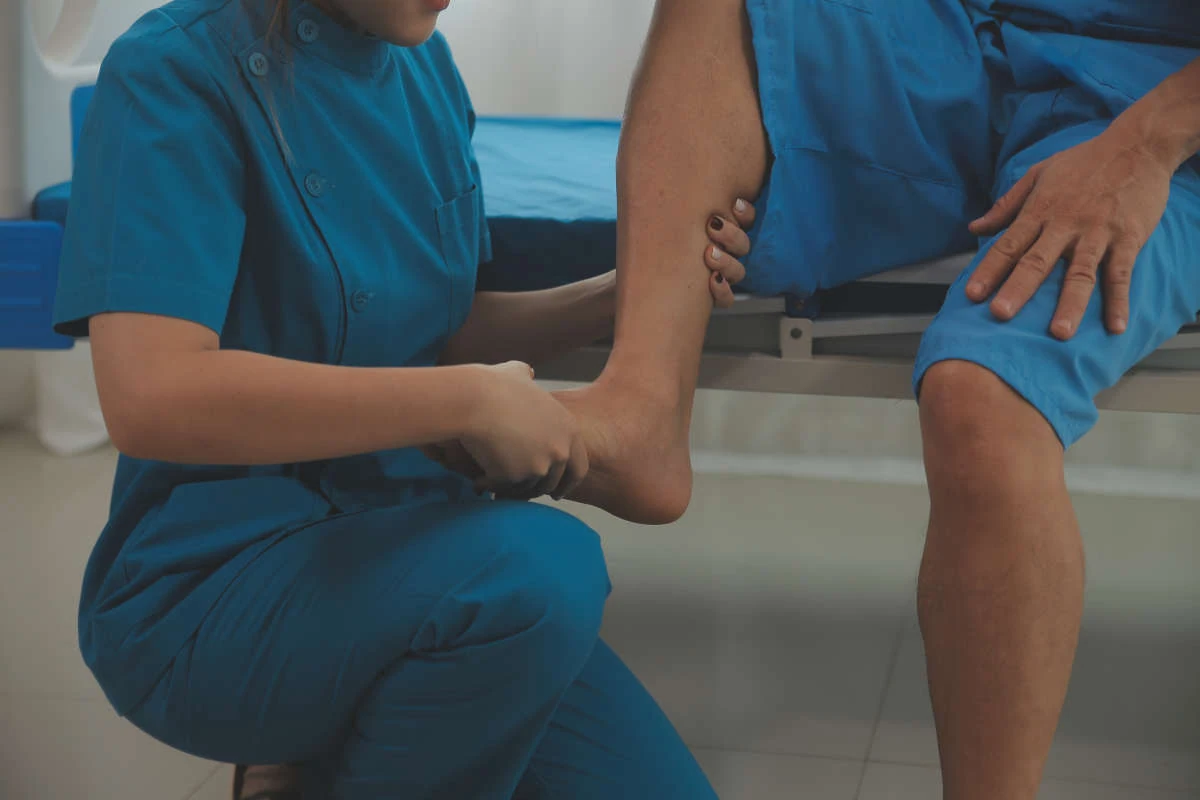
Your evaluation will include a detailed history and physical examination, supplemented by duplex ultrasound when venous reflux or obstruction is suspected. Management is individualized and may include:
- Compression therapy
- Physical activity
- Weight management, when appropriate
- Skin care
- Treatment of significant venous reflux
Dr. Kimmel believes in a multidisciplinary approach involving vascular, lymphatic and rehabilitation specialists to help address the overlapping mechanisms contributing to symptoms and improve long-term function and quality of life. If you have lipedema and notice swelling or discomfort that seems disproportionate, ask your care team about a venous evaluation. The Kimmel Institute offers free screenings and transparent conversations about your options. Call us today to schedule a consultation.