
Visible leg veins can be frustrating, especially when aching, swelling, or heaviness starts affecting your daily routine. Thankfully, there are several options available to prevent, manage, and treat varicose veins. Understanding how to get rid of varicose veins begins with knowing why they form and when they need medical attention. With the right care, you can improve comfort, restore confidence, and support healthier circulation.
What Are Varicose Veins?
Varicose veins are enlarged, twisted veins that develop when the valves inside your leg veins stop working properly. These one-way valves normally keep blood flow moving toward your heart. When they weaken, blood can flow backwards and collect inside the vein. As pressure builds, the vein walls stretch, the blood vessel walls lose their strength, and an enlarged vein forms beneath the skin’s surface.
Over time, these visible veins can become larger and more uncomfortable. Left untreated, they may contribute to chronic venous insufficiency, a condition that makes it harder for blood to return to the heart efficiently. Dr. Kimmel uses a thorough evaluation to diagnose varicose veins accurately and determine the most effective treatment based on your symptoms and vein health.
Symptoms
Varicose vein symptoms can develop gradually and often become more noticeable after long periods of sitting or standing. While some people are mainly concerned about appearance, others experience symptoms that interfere with daily activities. Knowing what to watch for can help you recognize when it’s time to seek treatment before the condition progresses.
Symptoms include:
- Aching or heavy legs
- Leg pain/leg aches
- Leg swelling, especially around the ankles
- Leg cramps, particularly at night
- Throbbing or burning sensations
- Itching around affected veins
- Restless legs
- Fatigue or heaviness after standing
- Skin discoloration
- Skin changes, such as thickening or irritation around the ankles
- Tenderness over the affected veins
5 Treatment Options to Get Rid of Varicose Veins
You don’t have to live with painful or unsightly varicose veins. While some people only notice visible veins, others develop symptoms that make everyday activities uncomfortable.
It’s time to seek treatment if you have ongoing leg pain, leg swelling, heaviness, skin changes, or skin discoloration, or if varicose vein symptoms keep getting worse. Seeing an experienced vascular surgeon early can help you get the right medical treatment before the condition progresses into severe varicose veins or conditions like chronic venous insufficiency or deep vein thrombosis (blood clots).
The good news is that today’s treatment options are more comfortable and effective than ever. Most are minimally invasive procedures that target the unhealthy veins while allowing healthy veins to keep blood moving normally. After a thorough evaluation, your specialist will recommend the treatment for varicose veins that’s the best fit for your symptoms, vein anatomy, and overall health.
1. Sclerotherapy
Sclerotherapy is one of the most common treatments for both varicose veins and spider veins, especially smaller varicose veins that sit close to the skin. During this outpatient procedure, Dr. Kimmel injects a specialized solution directly into the affected veins. The solution irritates the vein walls, causing them to collapse and seal shut.
This stops blood from entering the damaged vein, allowing it to reroute through healthy blood vessels. Over the following weeks, the treated vein slowly fades as your body naturally absorbs it, leaving your legs looking and feeling better.
2. Foam Sclerotherapy
Foam sclerotherapy works similarly to traditional sclerotherapy but uses a foamed version of the solution to treat large varicose veins or veins that are too twisted for other procedures. The foam pushes blood out of the vein before coating the inside of the vein walls, giving the treatment better contact with the vein lining.
This helps the vein seal more completely while using less solution. Once the vein closes, blood naturally moves through healthier veins, helping improve symptoms and appearance.
3. Laser Ablation
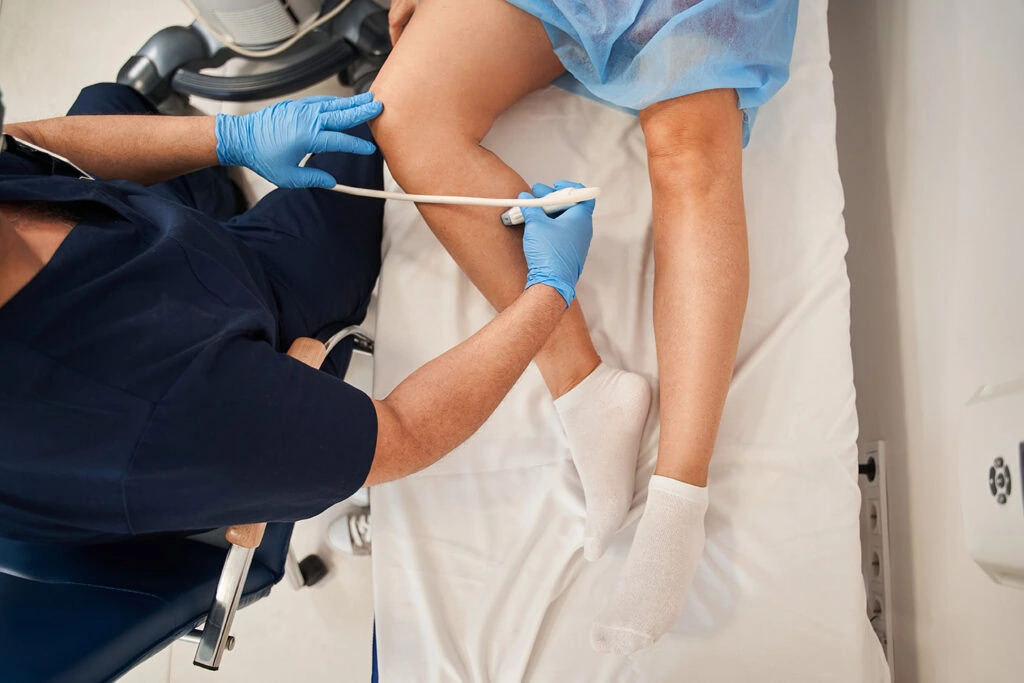
Laser ablation is a minimally invasive procedure that closes unhealthy veins from the inside. After numbing the area with local anesthesia, Dr. Kimmel uses ultrasound to guide a thin tube and laser fiber into the damaged vein. The fiber delivers controlled laser energy, which heats the vein and causes it to collapse and seal shut.
Blood is then redirected through healthy veins with better function, helping improve blood flow and reduce symptoms. Most patients return home shortly after this outpatient procedure with little downtime.
4. Ambulatory Microphlebectomy
When bulging veins are large and close to the surface, ambulatory microphlebectomy can remove them through tiny openings in the skin. After numbing the area with local anesthesia, Dr. Kimmel makes several very small incisions and uses specialized surgical hooks to gently remove the damaged vein. Because the openings are only a few millimeters wide, stitches usually aren’t needed, and recovery is typically quick. Removing these damaged veins helps relieve discomfort while improving the appearance of your legs.
5. Ultrasound-Guided Chemical Ablation
Some varicose veins are located too deep or have a shape that makes laser treatment less effective. In these cases, ultrasound-guided chemical ablation offers another minimally invasive option.
Using real-time ultrasound, your vascular surgeon carefully injects an FDA-approved solution into the damaged vein while monitoring the treatment. They then put on a compression bandage that applies gentle pressure to help keep the vein closed as it heals. Once sealed, blood naturally flows through healthier veins, relieving symptoms and improving circulation.
Self-Care for Varicose Veins
While self-care won’t eliminate existing varicose veins, it can help prevent and manage varicose veins, relieve symptoms, support recovery after medical treatment, and lower your risk of developing new varicose veins.
Small, consistent habits can make a meaningful difference by supporting vein health, improving circulation, and reducing pressure on your leg veins. Some include:
- Stay active: Regular walking and other low-impact exercise help your calf muscles and leg muscles pump blood back toward your heart. This helps improve circulation, supports healthy blood flow, and can help prevent blood from pooling in your veins.
- Wear compression stockings: Your provider may recommend you wear compression stockings to apply gentle, graduated pressure to your legs. Compression stockings help improve circulation, reduce discomfort, and are often recommended after varicose vein treatment to support healing.
- Elevate your legs: Make time to elevate your legs above heart level for 15 to 20 minutes a few times each day. This helps reduce pressure in your leg veins, reduce swelling, and makes it easier for blood to return to your heart.
- Avoid sitting or standing for too long: Long periods of standing or sitting in one position make it harder for blood to circulate. If your job requires either, take short walking breaks or flex your ankles every 30 to 60 minutes to keep blood moving.
- Maintain a healthy weight: Reaching and maintaining a healthy weight reduces the amount of pressure placed on your leg veins every day. Less pressure can slow the progression of varicose veins from forming and help you feel more comfortable.
- Eat a balanced diet: A balanced diet that includes fiber, lean protein, healthy fats, and plenty of fruits and vegetables supports healthy blood vessels and overall circulation. Staying hydrated can also help support healthy vein function.
- Follow your provider’s recovery instructions: After minimally invasive procedures, follow all instructions from your provider, including wearing compression garments, staying active, and attending follow-up visits. These steps support healing, help maintain healthier veins, and can improve your long-term results.
Take the First Step Toward Healthier Veins Today with the Kimmel Institute
Living with varicose veins isn’t something you have to accept. When treated early, many people find relief from discomfort, improve their confidence, and enjoy healthier legs for years to come. The most important step is getting an accurate diagnosis from a qualified healthcare provider who understands both the medical and cosmetic sides of vein disease.
At the Kimmel Institute, we combine decades of surgical expertise with compassionate, individualized care to deliver outstanding results. Dr. Kimmel and our experienced team will guide you through every step of the process, answer your questions, and create a treatment plan designed specifically for you.
Contact us today to schedule your free screening and find out which treatment option is right for you.