
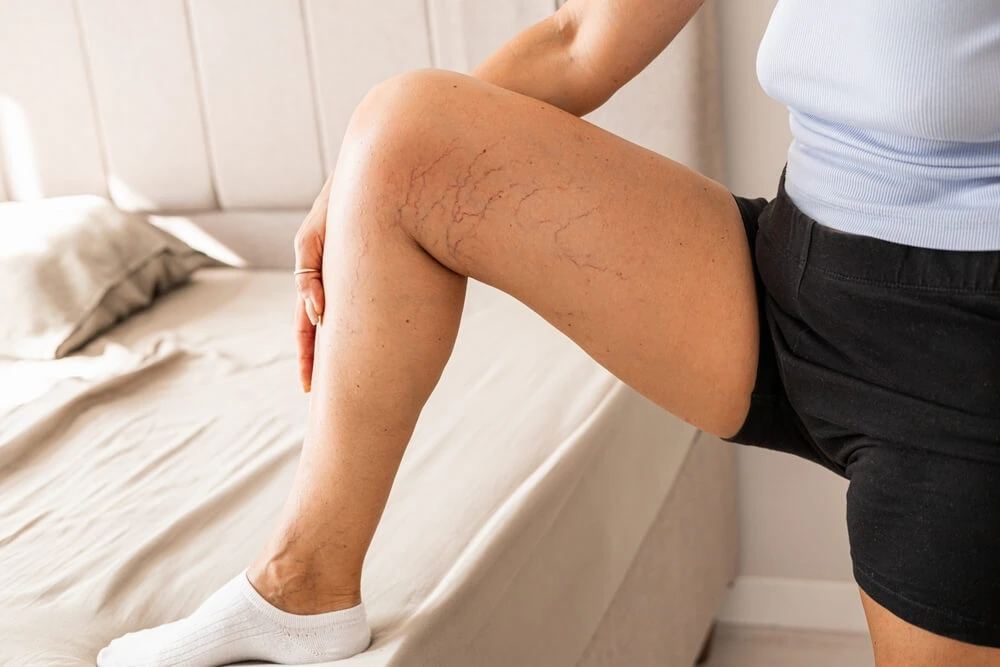
Sudden vein visibility can be a scary sight, especially when you aren’t sure what caused it. Maybe they were always there. Or maybe you suddenly noticed them one day and wondered, “Why are my veins so visible?” That question is more common than most people realize. Many people notice visible veins at some point in their lives.
Your veins play a critical role in moving blood back toward the heart, allowing your body to function. These small vessels are delicate and rely on many components to carry out its functions, leaving them susceptible to damage. Paying attention to sudden changes in veins helps you understand your body and decide when it may be time to seek medical guidance.
The Causes of Visible Veins
Several factors can influence vein visibility on the surface of the skin. For some, genetics or recent travel can cause veins to surface over time. For others, they can be a sign of a deeper medical condition that requires treatment.
Vein Problems
Certain vein issues can cause veins to stand out more than usual, especially in the legs. It is important to consult a medical professional to rule out and treat any serious complications.
Varicose Veins
One of the most common causes of visible veins is varicose veins. These are enlarged, twisted leg veins that appear raised under the skin. They often look like thick blue veins that bulge along the lower legs.
Varicose veins develop when the small one-way valves inside the veins weaken. These valves normally keep blood moving upward toward the heart. When they fail, blood pooling can occur, leading to enlarged veins and noticeable vein prominence. Over time, this pressure stretches the vein walls, making the veins more visible on the surface of the skin.
Spider Veins
Spider veins are another common cause. These are tiny superficial veins that spread across the skin like thin branches or web-like patterns. Spider veins may appear as red, purple, or blue veins, and they are often seen on the legs or face.
While spider veins are often considered purely cosmetic, they still concern the small blood vessels close to the skin. Factors such as sun exposure, sun damage, hormonal changes, or genetics can weaken these tiny veins, making them easier to see through lighter skin or fair skin.
Chronic Venous Insufficiency
More serious circulation issues can also increase vein visibility. One example is chronic venous insufficiency, a condition where damaged valves interrupt blood from flowing from the legs to the heart. This leads to increased pressure in the leg veins and slower blood flow through the circulatory system. The extra pressure can cause prominent veins, swelling, skin discoloration, and aching in the legs.
Superficial Thrombophlebitis
In some cases, inflammation of a vein called superficial thrombophlebitis may develop. This occurs when a blood clot forms in a surface vein, causing tenderness and redness along the vein. This can result in limited mobility and swelling of the affected area.
These conditions can cause discomfort, pain, and lead to serious health conditions when left untreated. New or worsening leg vein visibility should be evaluated by a vascular surgeon.
Health Conditions
Not every change in visible veins begins in the veins themselves. Some medical conditions affect how blood moves through the body, which can increase vein visibility in the legs or other areas. When circulation changes inside the circulatory system, pressure can build in certain areas, making veins easier to see beneath the skin.
Understanding these connections can help you recognize when visible veins may relate to deeper health concerns rather than a more cosmetic issue. These health conditions include:
- High blood pressure: Elevated blood pressure increases pressure within the veins, especially in the legs. Over time, increased blood pressure can push blood against the vein walls, contributing to more visible veins.
- Deep vein thrombosis (DVT): This condition occurs when a blood clot forms in a deep vein, often in the legs. The blockage disrupts normal blood flow, sometimes causing nearby visible veins to become more noticeable.
- Pregnancy: During pregnancy, the growing baby increases pressure in the pelvis and legs. This added pressure raises blood volume, which can lead to prominent veins and noticeable leg veins.
- Hormonal changes: Shifts in hormones can weaken the structure of vein walls and influence how blood circulates. These hormonal changes can increase vein visibility, especially in individuals with fair skin.
- Obesity: Extra weight places pressure on the legs and their veins. This strain can affect blood flow and lead to more noticeable blue veins over time.
- Liver disease: Certain liver conditions affect circulation and pressure in nearby blood vessels. These changes can alter blood flow, sometimes leading to unusual patterns of visible veins on the skin.
- Circulatory disorders: Conditions affecting the circulatory system can disrupt normal blood return to the heart. When circulation slows, pressure can build in the veins, increasing their appearance under the skin.
Lifestyle and Habits
Daily habits that restrict or increase blood flow can influence how veins appear on your skin, especially in the legs. Over time, these factors may contribute to more visible veins, particularly in people with fair skin, low body fat, or certain body composition traits.
For example, spending long periods of time standing or sitting down can affect blood flow and reduce efficient blood return toward the heart. When blood moves more slowly through the leg veins, pressure can build and gradually make blue veins and other visible veins easier to see.
Environmental factors also play a role. Hot weather, frequent sun exposure, and sun damage can thin the skin barrier and increase vein visibility. Even regular activities like intense exercise can temporarily cause increased blood flow and make veins stand out during or after activity.
Getting Treatment for Visible Veins
Not all visible veins require medical care. Many people notice blue veins or leg veins that are simply part of their natural body structure. Still, some changes in veins can signal an underlying health problem affecting blood flow. Understanding when to seek medical attention can make a meaningful difference in both comfort and long-term vein health.
When You Should Seek Treatment
Changes in leg veins should not be ignored if they begin to cause discomfort. Aching, heaviness, swelling, burning sensations, or throbbing in the legs may suggest that blood flow through the veins is not working as it should. These symptoms sometimes appear with varicose veins. If you notice these changes or feel concerned about vein visibility, seek medical advice from a vascular surgeon.
It is also important to pay attention to warning signs that may indicate more serious conditions. Increasing redness along a vein, warmth, or tenderness may point to superficial thrombophlebitis. Sudden swelling in one leg, worsening skin discoloration, or the development of open sores can signal complications from varicose veins or other serious conditions affecting the veins.
While these symptoms may not always signify a major health problem, they deserve evaluation by a healthcare professional. Early care helps identify the root cause of vein problems and protect healthy blood circulation in the legs.
Treatment Options for Visible Veins
When visible veins begin to cause discomfort or affect confidence, modern minimally invasive treatments can safely improve both function and appearance. The right approach depends on the type of vein, underlying cause, and how blood flows in the body.
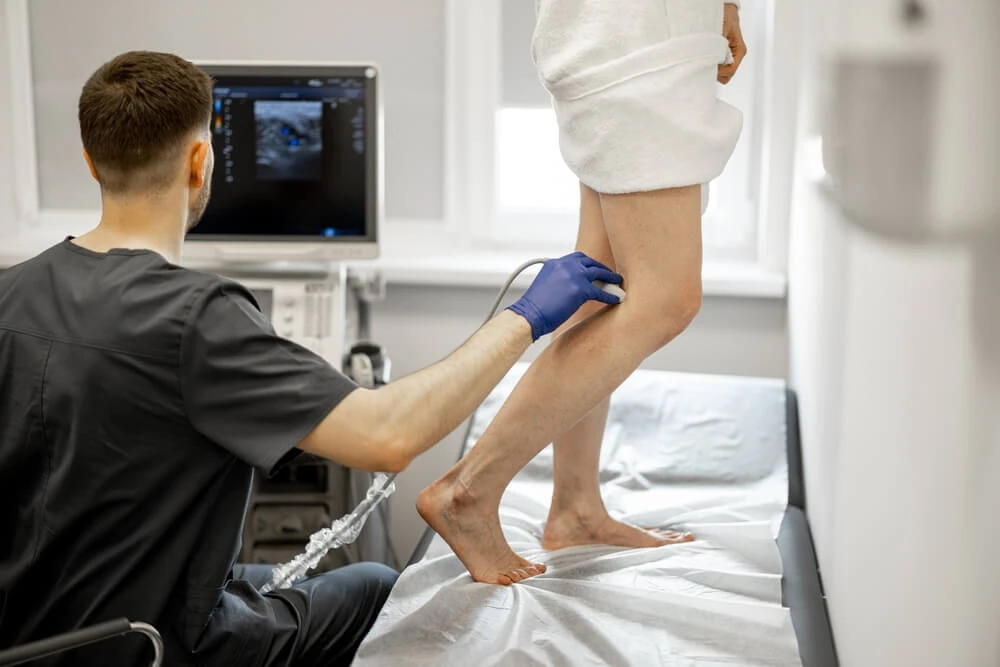
A certified vascular surgeon specializing in venous disease can evaluate the condition of the veins and recommend targeted treatments that address the root cause rather than only altering the appearance. Many procedures work by closing abnormal veins so healthy blood reroutes through nearby vessels with better function. These include:
- Sclerotherapy: This treatment commonly treats spider veins and smaller varicose veins. A solution is injected directly into the affected veins, causing the vein walls to collapse and seal shut. The treated veins gradually fade as the body redirects blood flow through healthier pathways.
- Foam Sclerotherapy: This variation of sclerotherapy treats larger surface varicose veins and twisted leg veins. The specialist mixes a solution with gas to create foam, which fills the veins more completely. The foam pushes blood aside, allowing the medication to contact the vein lining and seal abnormal veins shut.
- Laser Therapy: Laser therapy often treats fine spider veins close to the surface of the skin. Focused light energy heats the veins, which causes them to close and gradually disappear. This treatment works well for cosmetic concerns like delicate blue veins on the legs, but is highly dependent on skin tone and other factors that an experienced vein surgeon can determine.
- Radiofrequency Ablation: This treatment targets larger varicose veins linked to chronic venous insufficiency. A thin catheter is guided into the affected veins and delivers heat energy using radiofrequency ablation. The heat closes the abnormal veins and restores healthy blood flow through surrounding vessels.
- Ambulatory Microphlebectomy: This procedure removes large, bulging varicose veins from the legs. The vascular specialist makes tiny openings in the skin and gently removes the damaged veins. Once removed, blood naturally flows through healthier veins, improving both comfort and appearance.
Some treatments or procedures are coupled with lifestyle changes to prevent future vein conditions from developing. Change in diet, prescription compression socks, and exercise are all common treatments that drastically improve vein visibility and health.
Find Relief and Confidence with Advanced Vein Care at the Kimmel Institute
Noticing visible veins can leave you with questions about what your body is trying to tell you. Paying attention to your symptoms helps protect both your comfort and long-term health, and the right evaluation can make a real difference.
At the Kimmel Institute, we combine decades of surgical expertise with advanced diagnostic tools to understand what is happening inside your veins. We look at your symptoms, circulation, and overall body health to identify the root cause of vein visibility. From there, we design a personalized treatment plan that improves both the appearance and function of your veins.
If you are wondering why your veins are visible or feel concerned about varicose veins, spider veins, or other vein problems, we are here to help.
Contact the Kimmel Institute today to schedule your consultation and take the first step toward healthier veins and clearer skin.