
If you’ve been told to wear compression stockings for vein health, you already know they’re effective. But let’s be honest, they’re not always easy to use. Traditional compression stockings can be tight, difficult to put on, and frustrating to wear consistently. That’s where zippered support stockings come in.
At the Kimmel Institute, we believe vein care should be both medically effective and realistic for everyday life. Zippered compression stockings are a modern evolution of compression therapy that offer the same clinical benefits with added convenience, making it far easier for you to stay compliant and protect your vein health long term.
After all, compression therapy works best when it fits your routine, not when it disrupts it. When comfort improves, consistency follows. And consistency is what helps protect your leg health long term.
What Is Compression Therapy?
Compression therapy is a cornerstone of conservative vein care that uses specialized compression stockings or medical stockings to apply controlled pressure to the leg, ankle, and foot. The graduated compression, strongest at the ankle and gradually decreasing upward, supports vein function by helping blood move upward against gravity. This design reduces pressure in the lower leg, where veins work hardest, improving overall circulation and reducing strain on vein walls.
Why Compression Therapy Matters for Vein Health
Support from compression therapy is especially important for people dealing with:
- Varicose veins
- Spider veins
- Chronic venous insufficiency
- Leg swelling, heaviness, or fatigue
- Post-procedure recovery after vein treatments
Compression is also often recommended during pregnancy, when hormonal changes and added pressure increase the risk of swelling and vein strain. People with a history of deep vein thrombosis (DVT) are also often advised to use compression to support safe recovery and ongoing vein health.
Compression reduces pooling of blood in the legs, helps reduce swelling, and can significantly improve daily symptoms like aching, throbbing, and nighttime cramps. Many patients notice less nighttime cramping and improved comfort during long periods of standing or sitting. For these reasons, compression therapy is often recommended before vein treatment, during recovery, and as part of long-term vein care.
A Breakdown of Zippered Stockings for Compression Therapy
Compression only works when you actually wear it. That’s where thoughtful design becomes just as important as medical effectiveness. Zippered styles are built to remove common barriers that prevent consistent use, especially when your leg feels sore, swollen, or stiff. Instead of fighting against tight fabric, these designs focus on ease, comfort, and reliability so compression fits into real life.
What They Are
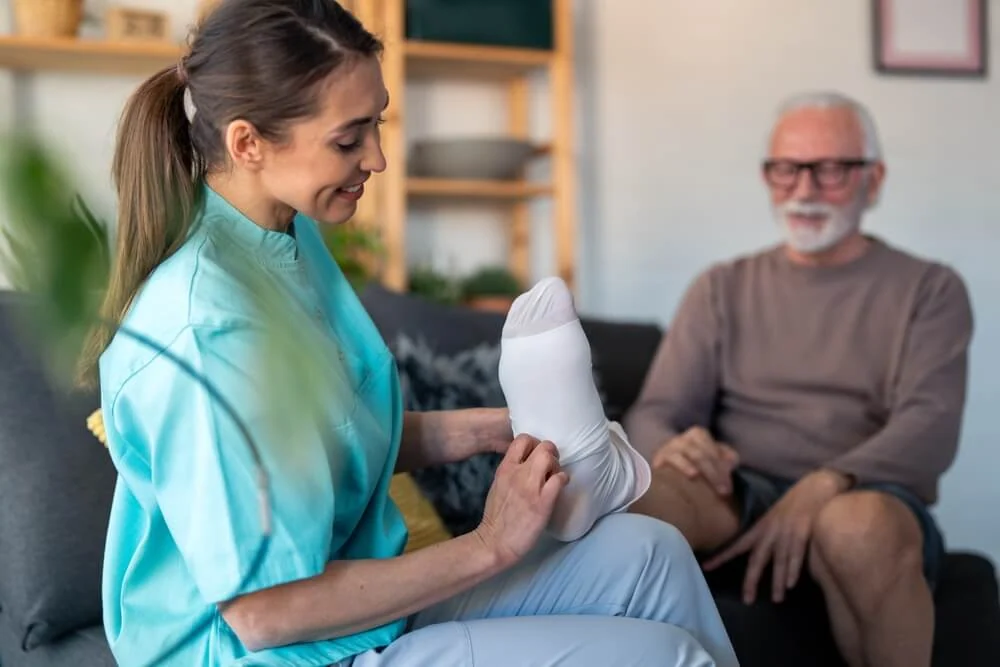
Zippered stockings are medical stockings made with graduated compression and a built-in zipper along the side of the leg. They are typically made from a smooth knit texture fabric that feels soft against the skin, while maintaining a snug fit that stays in place. The zipper is reinforced with a protective sleeve to protect zipper teeth and prevent irritation or pinching during wear. Many designs use this durable zipper, allowing repeated use without stretching or tearing, even with daily wear.
Zippered designs offer practical benefits that go beyond convenience:
- Make stockings easy to put on and remove
- Support consistent compression therapy use
- Allow easy toe inspection for skin checks
- Help conceals unsightly blemishes
- Provide reliable support for moderate varicose veins
Styles and Compression Levels
Zippered support stockings are commonly available as knee-high styles and are offered in unisex options for women and men. They also come in close-toed and open-toed options. Color choices often include beige and black, blending classic styling with function.
While some brands offer one standard size, most medical-grade options use a standard size system based on your foot dimensions, shoe size, and calf and ankle measurements taken with a measuring tape. Sizes often range from small to x-large for a proper fit.
They also come in different compression levels for different conditions:
- 8–15 mmHg (Mild compression): Often used for tired, achy legs, mild swelling, long periods of sitting or standing, travel, and early pregnancy. This level supports basic circulation and daily comfort.
- 15–20 mmHg (Moderate compression): Commonly recommended for moderate varicose veins, visible spider veins, mild to moderate edema, and ongoing swelling. This range is frequently used for prevention and symptom relief and is one of the most prescribed levels for daily wear.
- 20–30 mmHg (Firm compression): Typically used for more persistent vein symptoms, chronic venous insufficiency, recovery after vein treatment, and for patients with a history of DVT. Medical guidance is important at this level to ensure proper fit and safe use.
- 30–40 mmHg (Extra-firm compression): Reserved for advanced venous disease, significant swelling, or recurrent DVT. This level should always be used under direct supervision from a vein specialist.
These ranges help ensure compression therapy is both effective and comfortable, while supporting long-term vein health and symptom control.
How They Support Compression Therapy
Zippered designs support compression therapy by ensuring even pressure along the leg without twisting or bunching. When stockings slide on smoothly, they are more likely to sit correctly at the ankle and calf, where pressure accuracy matters most. Proper alignment helps relieve moderate conditions and improve blood circulation.
Consistent wear is key for managing varicose veins, swelling, edema, and symptoms tied to poor circulation. Zippered options help maintain steady circulation throughout the day, which is often recommended for patients with a history of DVT.
By reducing friction and effort, zipper designs help protect the skin, limit strain when you bend, and encourage long-term use. When compression is easier, outcomes are better.
Experience the Difference in Compression Care at the Kimmel Institute
Living with leg discomfort, swelling, or visible vein changes can quietly affect how you move through your day. Compression therapy can be a powerful tool, but only when it is chosen, fitted, and used correctly. Zippered support stockings offer a more practical way to stay consistent, yet the real results come from pairing the right product with expert medical guidance.
At the Kimmel Institute, we understand that no two patients, legs, or lifestyles are the same. We combine advanced diagnostic imaging for leg veins, over 30 years of experience, and individualized care to ensure compression therapy truly supports your vein health. From proper sizing to compression levels and long-term planning, we focus on solutions that fit your life and protect your results.
If you want answers you can trust and care that feels personal, we invite you to take the next step. Contact us today to schedule a consultation and learn how expert-guided compression therapy can help you feel more comfortable, confident, and supported every day.