Noticing bulging, twisted veins in your legs can be scary and concerning, especially when they start causing discomfort. Varicose veins are common, but they are more than a cosmetic issue for many people. Understanding what causes varicose veins, signs, symptoms, and available treatments can help you take the right steps toward healthier legs.
For some, the first sign of varicose veins is a heavy, tired feeling in the legs that develops long before the veins become visible. For others, the issue seems to appear overnight. These changes are your body’s way of signaling that your circulation needs attention, and it shouldn’t be ignored.
Better vein health starts with understanding what your body is telling you. With the right care, relief is often simpler and more effective than many people realize.
What Are Varicose Veins?
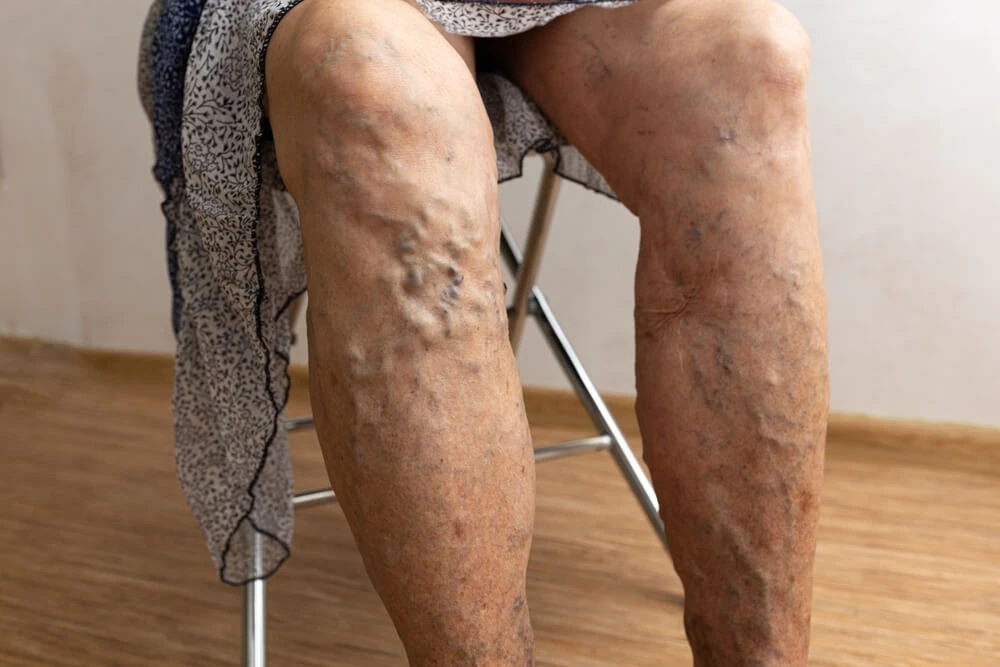
Varicose veins are enlarged, visible veins that develop when the valves inside the leg veins are weakened and do not work properly. These damaged valves allow blood to flow in the wrong direction instead of moving back toward the heart. As a result, blood pools inside the vein, causing the vein walls to stretch and the veins to become enlarged, bulging, and twisted.
While these swollen veins appear most often in the lower legs, they can also appear on other areas, such as the hands and arms. These visible veins can leave you feeling unlike yourself, affecting your confidence and everyday activities. They can also indicate deeper vein issues that require treatment. Varicose veins affect your daily life and comfort in several ways.
Symptoms
Many people think of varicose veins as a cosmetic issue, but the symptoms of varicose veins can take a drastic toll on your day-to-day life. Symptoms may start gradually and become more noticeable over time, especially after sitting or standing for long periods. These can include:
- Aching legs or arms
- Heavy legs
- Leg fatigue
- Throbbing
- Itching around the veins
- Burning sensations
- Muscle cramping, including night cramps
- Restless legs
- Leg swelling
- Visible bulging or twisted veins
- Skin discoloration near the affected vein
- Tenderness around the vein
- Leg pain
Varicose veins can present as blue, purple, or darker than your skin tone. Paying close attention to these types of changes can prevent skin ulcers or further discoloration.
Ignoring varicose vein symptoms can increase the risk of complications. Untreated vein disease may contribute to skin changes, open sores, bleeding veins, chronic venous insufficiency, superficial vein thrombosis, and, in some cases, an increased risk of blood clots. Some people may also develop more advanced circulation issues that require medical attention.
Early evaluation to diagnose and treat varicose veins can help identify potential concerns before they progress into more serious health problems.
Causes
If you have ever wondered what causes varicose veins, the answer usually involves weakened vein valves and changes in normal circulation. Healthy valves help keep blood moving upward through the blood vessels toward the heart. Varicose veins occur when these valves weaken and blood begins flowing backward, causing pressure to build inside the vein. Over time, the vein walls stretch, and the veins become enlarged and visible.
Several risk factors for varicose veins can make you more likely to develop varicose veins. Common factors that increase the risk of varicose veins include:
- Aging
- Family history
- Pregnancy
- Obesity
- Hormonal changes
- Spending time sitting or prolonged standing for long periods
- Some medications, including birth control pills
Genetics is generally the strongest factor in the development of varicose veins. There are still many preventative measures you can take to lessen the severity of damaged veins. Wearing compression stockings when sitting or standing for long periods of time can help circulate blood more efficiently. Maintaining a healthy weight can keep pressure off your leg veins, allowing them to pump blood throughout the entire body.
Varicose veins are most common in adults 40 – 60 years old, but they can present as early as your 20s. Vein damage typically begins in young adulthood due to various factors, but paying attention to your vein health and maintaining a healthy, active lifestyle can reduce your chances of developing varicose veins.
When to Seek Treatment
Many people wait years before addressing vein concerns, assuming they are only a cosmetic issue. However, you should consider seeking treatment for varicose veins if you experience persistent leg pain, leg swelling, heaviness, fatigue, skin changes, or symptoms that interfere with daily activities. These can lead to issues such as deep vein thrombosis, venous insufficiency, blood clots, and other conditions.
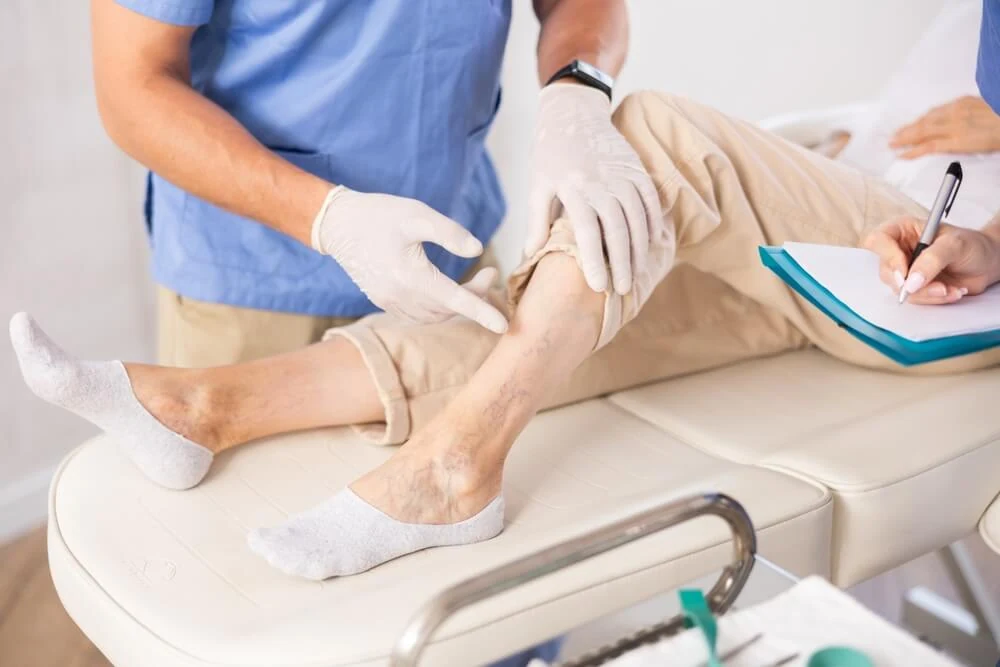
Varicose veins do not go away on their own. You should schedule an evaluation if visible veins continue to worsen or if you notice signs that may indicate health problems beyond a simple cosmetic concern. Early assessment to diagnose varicose veins can help to prevent severe varicose veins, determine whether your symptoms are related to underlying vein disease, and reduce the risk of future complications.
5 Effective Treatment Options for Varicose Veins
Living with varicose vein symptoms can affect every aspect of your life, from your comfort to your confidence. The good news is that modern treatment options for varicose veins are highly effective and often require little downtime. Today’s minimally invasive treatments focus on closing unhealthy veins, restoring healthier blood circulation to increase blood flow, and helping improve both symptoms and appearance.
1. Sclerotherapy
Sclerotherapy is one of the most common options used to treat varicose veins and spider veins. During the procedure, a medical solution is injected directly into the affected vein. The solution irritates the lining of the vein, causing the walls to collapse and seal shut. Over time, the vein turns into scar tissue and gradually fades from view.
Treatment is performed in the office and typically takes less than an hour. Most people return to normal activities the same day. Mild bruising or tenderness may occur, but recovery is generally straightforward with minimal disruption to daily life.
2. Foam Sclerotherapy
Foam sclerotherapy is a specialized form of sclerotherapy often used for larger superficial veins and certain twisted veins. The treatment combines the sclerosing solution with air or gas to create a foam. This foam fills the vein more completely, allowing it to make more precise contact with the vein wall and improve closure rates.
The procedure is performed in an outpatient setting and requires no general anesthesia. Most patients can walk immediately afterward and resume normal activities within a day. Wearing compression stockings may be recommended during the recovery period to support healing.
3. EndoVenous Laser Ablation
Laser ablation is a minimally invasive procedure commonly used to close damaged deeper veins that contribute to vein disease. Using ultrasound guidance, a vein specialist inserts a small laser fiber into the vein through a tiny entry point. The laser delivers heat to the vein wall, causing the vein to close and rerouting blood through nearby healthy veins.
Recovery is usually quick, with most patients returning to regular activities within a day or two. Walking is encouraged after treatment to support healthy blood flow and promote healing. Temporary soreness or bruising may occur but typically resolves quickly.
4. Ultrasound-Guided Chemical Ablation
Ultrasound-guided chemical ablation is often recommended when vein anatomy makes laser treatment less suitable. During the procedure, a vein specialist delivers a specialized solution into the vein while ultrasound imaging guides placement. This causes the vein walls to stick together and close, allowing blood to move through healthier pathways.
The treatment is performed in the office with minimal discomfort. Patients can usually return to normal activities shortly after the procedure. Compression therapy and walking are often recommended during recovery to help optimize results and support healthy circulation.
5. Ambulatory Microphlebectomy
Ambulatory microphlebectomy is used to remove larger visible varicose veins through tiny openings in the skin. After numbing the treatment area with local anesthesia, the physician carefully removes the damaged vein using specialized instruments. The small openings are so tiny that stitches are rarely needed.
Recovery is generally fast, and most patients return to everyday activities within a day or two. Some mild bruising and tenderness are normal during healing. Many people notice both symptom improvement and cosmetic benefits once recovery is complete.
Don’t Let Vein Symptoms Hold You Back Any Longer
Whether your symptoms are mild or you are dealing with severe varicose veins, getting answers can make a meaningful difference in your comfort, mobility, and confidence. Vein disease often progresses over time, but early evaluation can help you understand your options and protect your long-term vein health. The right care can relieve symptoms, improve circulation, and help you get back to living without constant discomfort.
At The Kimmel Institute, we combine advanced technology, personalized treatment plans, and decades of specialized experience to help patients achieve lasting relief. Led by Dr. Kimmel, a board-certified cardiovascular surgeon with more than 30 years of experience, our team provides comprehensive vein care in a welcoming, boutique-style setting. As a designated physician training center, we remain committed to delivering the highest standards of care using proven, minimally invasive treatments.
If you’re ready to learn what’s causing your varicose veins symptoms and explore the best path forward, we invite you to schedule a consultation with our team. We are here to answer your questions, explain your options, and help you take the next step toward healthier legs with confidence.